
Why Does AGRI Incineration Systems Use Monolithic Concrete Instead of Brick?
The construction materials used inside a pet cremator directly impact performance, durability, efficiency, and long-term operating costs. While some cremation systems rely on traditional brick-lined chambers, AGRI Incineration Systems has chosen a different approach.
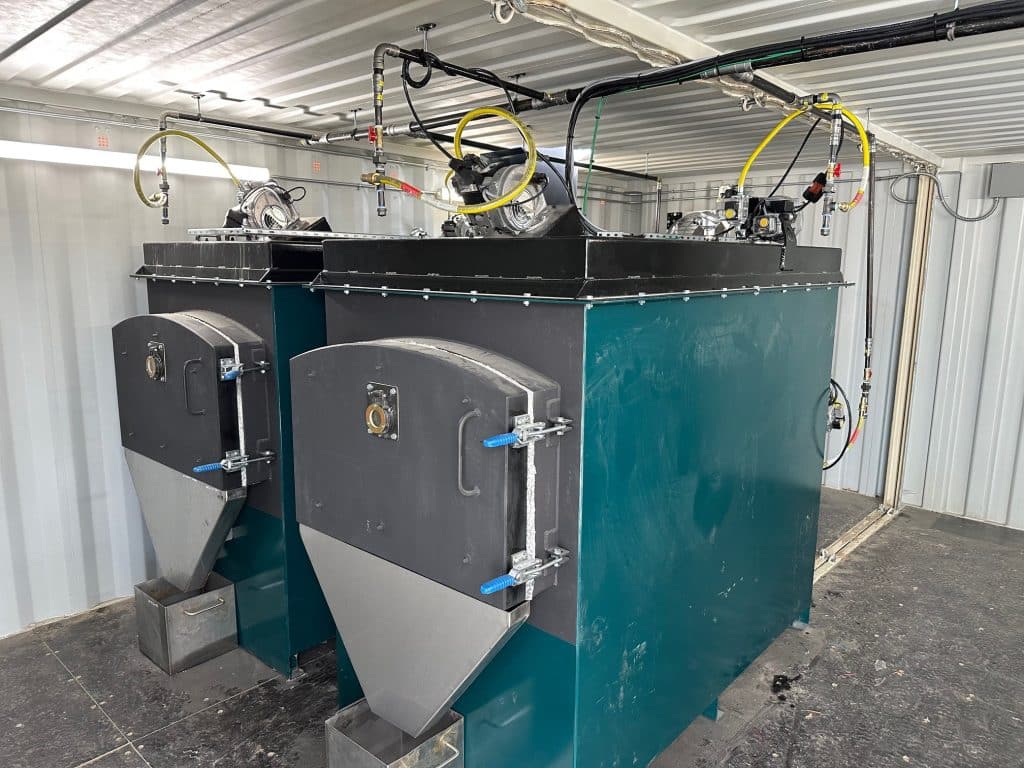
The pet cremation equipment offered through American Resources is manufactured by AGRI Incineration Systems and built using monolithic cast concrete construction. AGRI never uses brick in the construction of its cremators because monolithic concrete provides superior structural integrity, improved thermal performance, greater durability, and fewer long-term maintenance concerns.
TL;DR: Monolithic Concrete vs. Brick
- AGRI Incineration Systems never uses brick construction
- Monolithic cast concrete provides superior structural strength
- Fewer joints and seams reduce heat loss
- Better resistance to extreme cremation temperatures
- Reduced risk of structural failure
- Lower long-term maintenance requirements
- Improved energy efficiency through heat retention
- Enhanced operational reliability
What Is Monolithic Concrete Construction?
Monolithic concrete construction uses a continuous cast-in-place concrete structure rather than individual bricks and mortar joints. This creates a seamless cremation chamber that functions as a single integrated unit.
Unlike brick systems that rely on numerous individual components, monolithic concrete creates a solid and uniform structure designed to withstand the demanding conditions inside a pet cremator.
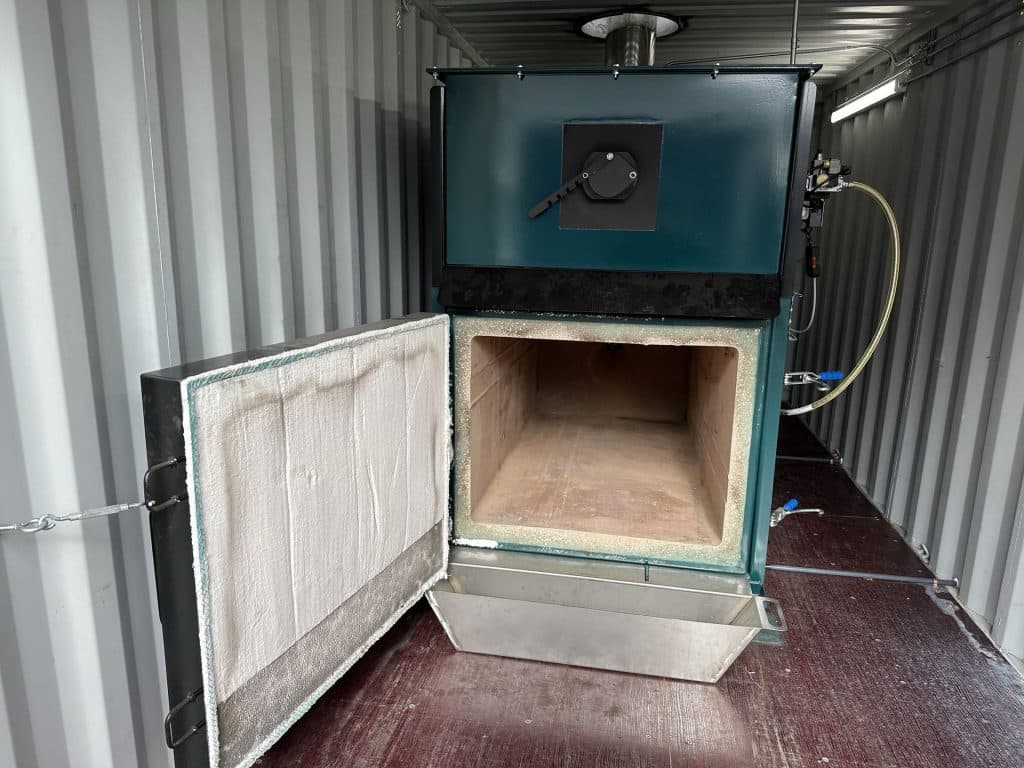
Monolithic Concrete Construction Built for Durability and Efficiency
Monolithic concrete construction offers significant advantages in high-temperature cremation environments by providing exceptional structural stability, improved heat retention, and long-term reliability. Unlike traditional brick-lined systems, monolithic concrete creates a seamless chamber with fewer joints, reducing opportunities for heat loss, air infiltration, and material deterioration. The result is a more energy-efficient cremation system that delivers consistent performance, enhanced durability, and dependable operation over the life of the equipment.
Does Monolithic Concrete Perform Better at High Temperatures?
Maintaining structural stability under intense heat is critical for both safety and performance. Monolithic concrete helps prevent the deterioration that can occur when construction materials are repeatedly exposed to high-temperature operating conditions.
How Does Monolithic Concrete Improve Energy Efficiency?
By reducing heat loss, the system can operate more efficiently while maintaining the temperatures necessary for proper cremation. Improved heat retention can contribute to lower fuel consumption and more consistent operating performance over the life of the equipment.
Why Does Cremator Lining Construction Matter?
AIS pet cremation systems distributed by American Resources use a low-thermal-mass monolithic concrete lining rather than traditional brick construction. American Resources specifically identifies this no-brick design as one of the primary advantages of its systems.
A monolithic lining creates a more continuous interior construction without relying on numerous individual bricks and joints. For equipment buyers, understanding this difference is important because the cremation chamber is subjected to repeated heating and cooling throughout normal operation.
When evaluating pet cremation equipment, don’t focus exclusively on chamber capacity or exterior dimensions. Ask how the chamber itself is constructed, what materials are used, and how that design contributes to the system’s overall performance and maintenance requirements.
Why Does AGRI Incineration Systems Use Monolithic Concrete Construction?
AGRI Incineration Systems has built its reputation on manufacturing durable, reliable cremation equipment designed for long-term performance. By utilizing monolithic cast concrete construction rather than brick-lined chambers, AGRI provides cremation systems that offer superior structural integrity, improved thermal efficiency, fewer maintenance concerns, and enhanced operational reliability.
Through American Resources, customers gain access to AGRI’s proven cremation technology and equipment designed to perform consistently under demanding operating conditions.
Contact American Resources today to learn more about AGRI Incineration Systems pet cremators and the advantages of monolithic cast concrete construction.
Monolithic Concrete vs. Brick FAQs
Monolithic concrete uses a continuous cast structure, while brick construction relies on individual bricks and mortar joints. Monolithic concrete creates a stronger, more seamless cremation chamber with fewer potential failure points.
AGRI Incineration Systems never uses brick because monolithic cast concrete provides superior structural integrity, durability, heat retention, and long-term reliability.
Monolithic concrete is designed to withstand extreme temperatures and demanding operating conditions while minimizing many of the maintenance concerns commonly associated with brick-lined systems.
Yes. The insulation and heat-retention properties of monolithic concrete help improve energy efficiency by keeping heat inside the cremation chamber.
In many cases, yes. The seamless design and superior structural stability help reduce the likelihood of repairs associated with deteriorating joints, shifting materials, and thermal stress.
