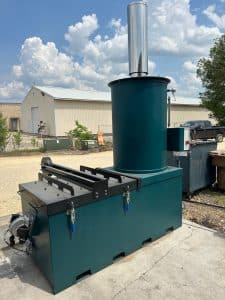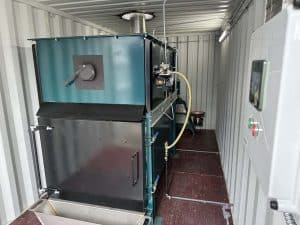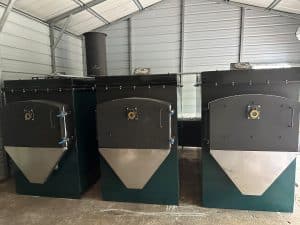
Choosing the right pet cremation equipment is one of the most important decisions a veterinary clinic, pet crematory, or entrepreneur can make when entering or expanding within the pet aftercare industry. The equipment you select will directly impact your operating costs, efficiency, service capacity, reliability, and long-term profitability.
With a variety of cremation systems available on the market, buyers often focus primarily on upfront pricing. While purchase price is certainly important, it is only one factor that should be considered when evaluating equipment.
Understanding your business goals and operational needs can help ensure you select a system that supports your organization for years to come.
TL;DR: How Do You Choose the Right Pet Cremation Equipment?
- Determine your expected cremation volume.
- Consider the size of pets you will be serving.
- Evaluate fuel efficiency and operating costs.
- Review equipment construction and durability.
- Understand maintenance requirements.
- Consider future growth plans before purchasing.
- Work with an experienced manufacturer that provides support and training.
Why Is Choosing the Right Equipment So Important?
The right system helps maximize efficiency, maintain consistent service levels, control operating expenses, and provide reliable performance. Choosing equipment that is too small can limit growth, while purchasing equipment that exceeds your actual needs may increase operating costs unnecessarily.
Making the right decision upfront often helps avoid expensive equipment replacements or upgrades later.
How Much Cremation Volume Should You Plan For?
A veterinary clinic performing occasional cremations may have very different equipment requirements than a dedicated pet crematory serving multiple veterinary practices. Understanding projected volume helps determine the appropriate chamber size, throughput capacity, and operational capabilities needed.
Planning for realistic future growth is also important when evaluating capacity requirements.
Does Pet Size Affect Equipment Selection?
Choosing equipment that can comfortably accommodate your anticipated case mix helps improve operational flexibility and efficiency.
Why Should Fuel Efficiency Matter?
While lower-cost equipment may seem attractive initially, systems with poor fuel efficiency can lead to significantly higher operating costs over time. Modern cremation equipment is often designed to maximize combustion efficiency while minimizing fuel usage.
Over the life of the equipment, improved fuel efficiency can result in substantial savings and better long-term profitability.
How Important Is Equipment Construction?
Investing in well-built equipment often reduces downtime, maintenance expenses, and unexpected repair costs.
What Maintenance Requirements Should Buyers Consider?
Before purchasing equipment, buyers should understand recommended service intervals, replacement components, cleaning requirements, and manufacturer support programs. Equipment that is easy to maintain can help reduce downtime and improve operational efficiency.
Reliable manufacturer support can also play a critical role when service or technical assistance is needed.
Ready to Choose the Right Pet Cremation Equipment?
At American Resources and Pet Cremation Equipment, we provide durable, fuel-efficient cremation systems designed to meet the needs of veterinary clinics, pet crematories, and entrepreneurs throughout North America. Contact our team today to discuss your goals and learn which cremation system is the best fit for your operation.
Pet Cremation Equipment FAQs
The proper equipment size depends on your expected cremation volume, the size of pets being served, and your future growth plans. A thorough evaluation can help determine the best fit.
Equipment size, chamber capacity, fuel efficiency, construction quality, automation features, emissions requirements, and installation considerations all influence pricing.
Yes. Fuel costs are one of the largest operating expenses in many cremation businesses. Efficient equipment can significantly reduce long-term operating costs.
With proper maintenance and quality construction, cremation equipment can provide many years of reliable service. Longevity often depends on usage levels, maintenance practices, and equipment quality.
Training, technical support, replacement parts availability, and operational guidance can help maximize equipment performance and minimize downtime throughout the life of the equipment.